In the spotlight, Sustainable development, School life
March 2, 2026 - April 30, 2026
You may already know those of Panurge, Shaun, Montauciel, Dolly, Baansky or even Le Génie des alpages but whether on the lawns of DLST, the meadows of PhITEM, the borders of IMAG, you may have already seen or crossed, on the university grounds, these seventy sheep, who far from being lost, arrived at the beginning of February with a single mission: to feed, mow and maintain some 8 hectares out of the 180 that make up the university grounds.
Don't look for the five-legged sheep
On campus, rustic, local and valued sheep breeds
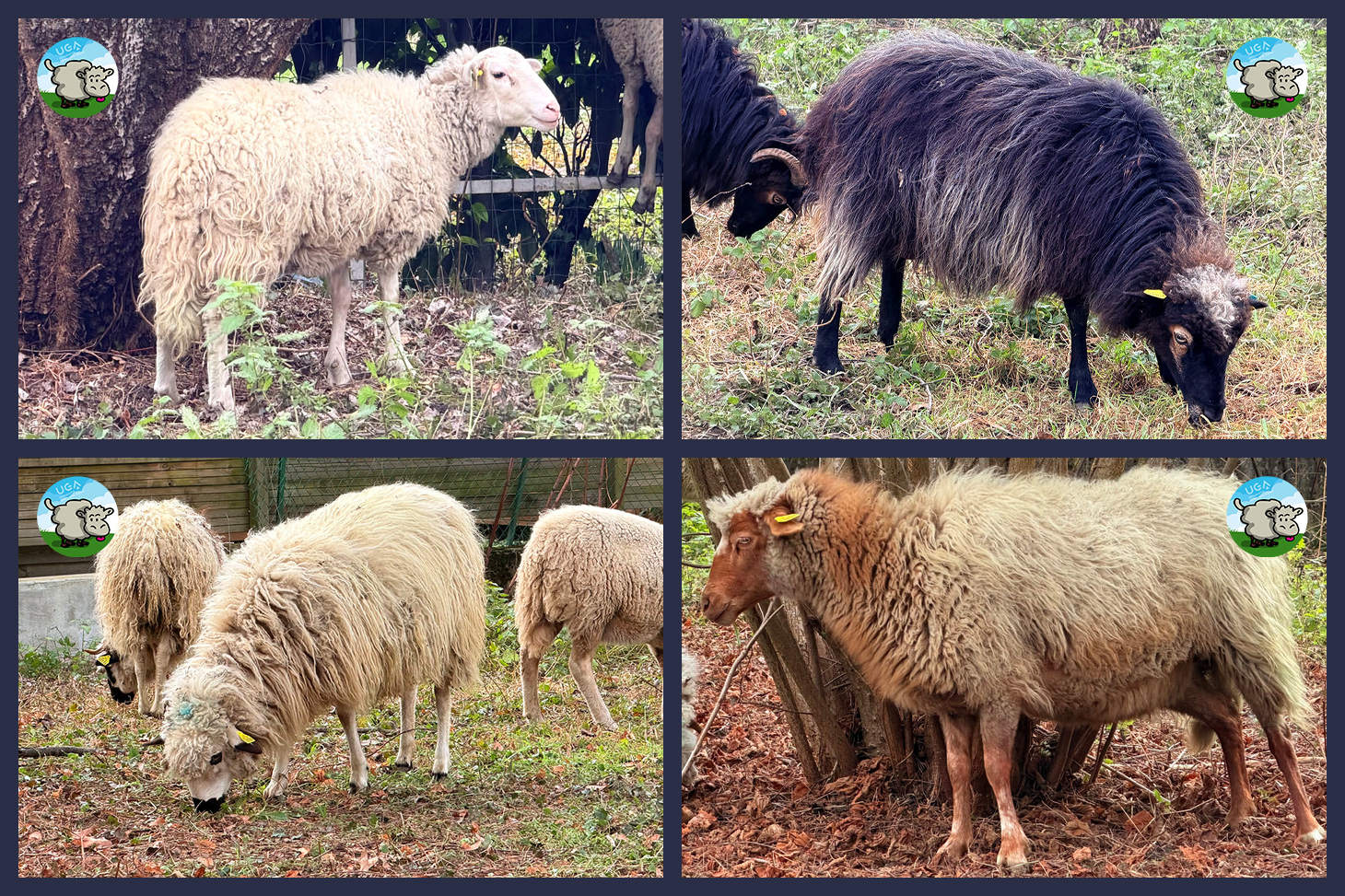
No Merinos or Shetlands here, and since you won't find these models of lawnmowers in office supply catalogs either, here are the characteristics of the four local (large southeastern quarter) and rustic breeds that make up the campus herd.
White sheep from the Massif Central – 15 ewes – 18 lambs – 1 ram Bob – White fleece and skin with a long and fine head – Its hardiness gives it excellent adaptability to difficult conditions;
Black Corsicans – 21 ewes – Origin: as their name indicates – Fleece and skin as their name indicates – "the most temperamental and those who do the most stupid things" (sic);
Thônes et Marthod – 18 ewes and the ram Coco – White with black muzzles – Origin: Savoie – A rustic breed by origin, "which withstands the cold well" perfect for "all outdoors";
Mourerous – 8 ewes – Red fleece and skin as their Provençal name indicates – Origin: Occitanie – Used to the outdoors.
The herd occupying the campus is "a young and growing herd".
Several births are expected at the end of April on campus.
Since the life expectancy of a sheep is 7 to 8 years, it is very likely that we will see these new occupants again in the coming years, especially since it is a "metropolitan" flock.
Indeed, when it does not occupy the meadows of the university estate you can also come across it in the communes of Poisat and Corenc.
The increasing scarcity of available agricultural land, even for rent, around Grenoble is the reason for the occupation of "peri-urban pastures".
However, when these atypical campus residents are not in the UGA lecture halls, they enjoy returning to their mountain pasture: Jean Collet Pasture in Sainte-Agnès – Belledonne Range – 45.23605974320546, 5.926246204140852
The next transhumance (on foot) and therefore the return to the mountains, will take place at the end of April.
In the meantime, don't look for the campus sheepfold, it doesn't exist.
The sheep on campus are raised in the "Provençal" style: they are outside all the time, without shelter. This explains the use of hardy breeds.
They stay in the same place for 4 to 5 days, until there is no more grass to graze on, while also clearing the area and the trees of the ivy present: ivy is their treat!
This "grass-based" diet, entirely grass-fed with no additional feed, also has the advantage of producing meat that is less strong than hay-fed meat, even if the yield may be affected.
The story of Snow White
"Sheep are not cuddly toys," it is very difficult to form emotional bonds with them.
They don't really tame each other.
This explains why only some of them have a name.
And the shepherd explained that he himself did not know them all: "like at school, the teacher [the shepherd] only remembers the bad students!"
However, you will still have to deal with Crapule, Capsule, Crépuscule, Bob, Coco… But these poor students of affection are only really interested in the shepherd when the plot is bare and they imagine that getting closer will offer a gain in food.
One sheep, young, frail, very pretty, is an exception to this rule. Her name is Snow White!
Barely born, her mother died because, while calmly grazing, she swallowed a piece of chip sauce lid…
Since a sheep cannot vomit, the mother therefore died from this intrusion of a foreign body.
The shepherd and his daughter took in the lamb and bottle-fed it for several months.
It is this contingency and this proximity that made Snow White, the name was chosen by the shepherd's little girl, kinder, "less haughty" and who would come more easily towards human visitors.
Low-carbon lawnmowers that are a bit "sheep"... A valuable aid in environmental and waste management
"Peri-urban pastoralism", an ancestral but also innovative method of livestock farming
To define his activity and the presence of his flock on campus, Tomas – pronounced [tɔmaʃ] – the farmer-breeder-shepherd, prefers to use the terms "urban pastoralism" or simply pastoralism: an ancestral but innovative form of livestock farming, particularly different from "eco-grazing" or "eco-pastoralism." These latter terms would define a "non-productive" activity and would suggest a focus on landscaping or maintaining the environment. The objective of pastoralism and of Tomas's primary activity as a farmer is indeed production: of meat, milk, wool… Soil maintenance remains an induced effect of this production, even though this management of spaces is also at the origin of the agreement that UGA signed with Tomas. Indeed, for the UGA, using a flock of sheep also allows the maintenance of places that are difficult to access with machines, however sophisticated they may be, reduces the use of tools or products with a negative ecological balance and also promotes the preservation or emergence of a rich and varied biodiversity. For example, the sheep on campus graze and keep the ground clear, but they also reveal the layer of microplastic pollution that has accumulated over the past fifty years on the university grounds. Indeed, the sheep, "who aren't so stupid," manage to avoid these "large plastics," thus allowing the Planning Department to remove and collect them. Thus, this sharing of space with moderate footprint, this co-management and this prevention of waste would also generate financial savings that could amount to several thousand euros.
A "win-win" collaboration: to avoid being "taken for a ride"...
As part of its mission to manage and enhance the natural areas on university grounds, UGA is committed to promoting environmentally friendly maintenance practices across its territory. This "neo-pastoralism" initiative is part of this approach, enabling the ecological maintenance of certain plots by herbivorous animals, whose actions contribute to biodiversity and soil regeneration.
For his part, a farmer, Tomas, wanted to develop a livestock farming activity in a peri-urban area, relying on spaces that had previously been little or not at all exploited.
This joint project was therefore part of a desire to bring livestock farming closer to urban areas.
With this in mind, after consultation, an agreement was established, by which the UGA makes available to the breeder certain plots of public land located on the university estate in order to establish grazing areas.
The long-term goal is to eliminate the need for mechanical means to mow meadows by progressively increasing the herd to 300 animals.
A number of animals which would also be the sine qua non condition for this farm to generate two minimum wages and thus allow Tomas to fully live from his agricultural activity.
Tomas, for his part, explains his presence on campus as experimental: "he does not give money to UGA and he does not receive money from UGA."
He is a part-time agricultural contractor, but he is not paid for his agricultural services.
The only expense attributable to the UGA is providing the necessary water for the herd.
My colleague is a shepherd!
His name is Tomas – pronounced [tɔmaʃ] – Bustarret, he is 37 years old, he is from Saint-Égrève, he is handsome, he is a family man, he is a self-employed farmer – breeder – shepherd – nurse – a bit of an activist and a part-time UGA employee.
He worked for a long time in agricultural mechanics, he was a seasonal shepherd, until the day, 8 years ago, when he decided to become a sheep farmer: self-employed, running a micro-agricultural business.
Faced with a lack of arable land around the urban area, he had the idea of approaching municipalities or public domains to propose a sharing of the land.
He was the one who approached UGA to propose this unprecedented collaboration.
Add to that the fact that since April 2025, Tomas the farmer is also a "roadman" for the UGA: part-time staff within the UGA Planning Department and the Urban Management Unit: urban cleanliness and meadow cleanliness.
It's also a way for him to reconcile a demanding professional life with an equally demanding family life with his 5-year-old daughter…
Finally, Tomas is also a nurse-shepherd: he knows how to administer first aid and perform basic veterinary procedures for the health animal and herd: sutures, injections…
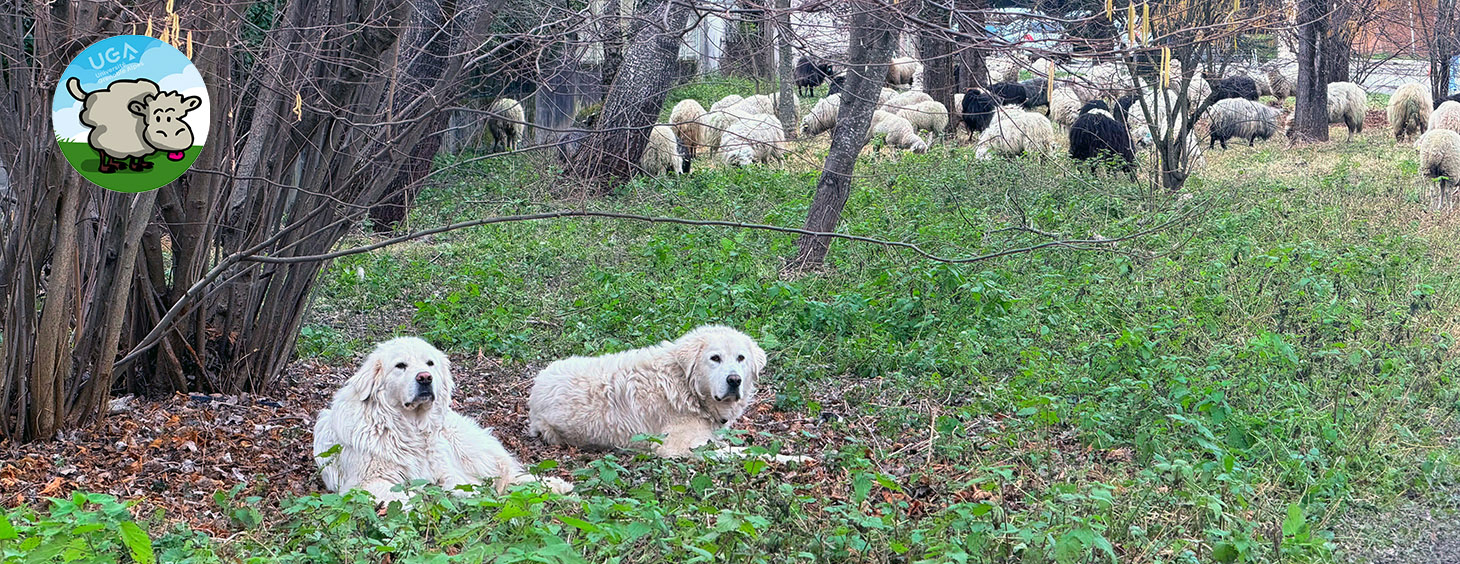
Pyrenean Mountain Dogs. Not as gentle as lambs! Be careful…
Hermes and TartuffeThe two Pyrenean Mountain Dogs, who are in charge of monitoring and guarding the flock, carry out their mission with the utmost zeal.
Therefore, it is best not to disturb the sheep and the greatest restraint is required when approaching the flock.
You will see him less often, but the flock is regularly accompanied, during movements, by the herding dog: a Border Collie who answers to the name of Skully.
Let's get back to the point... Not so dumb!
Even the sheep at Cambridge University know how to make the right choices.
The top 6 sheep celebrities
Those of Panurge
Pantagruel - Fourth Book - Chapter 8 - Rabelais Download the excerpt
Share linkCopyCopyClose modal windowShare this page URLI recommend this page:Available at this address :The page will then be accessible from your "My favorites" menu.Stop videoPlay videoMute soundPlay soundChat: Got a question?Chatbot Robo FabricaMatomo visitor statisticsX (formerly Twitter)


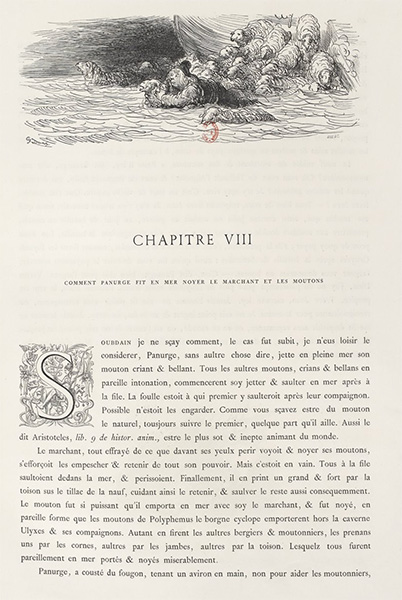 Those of Panurge
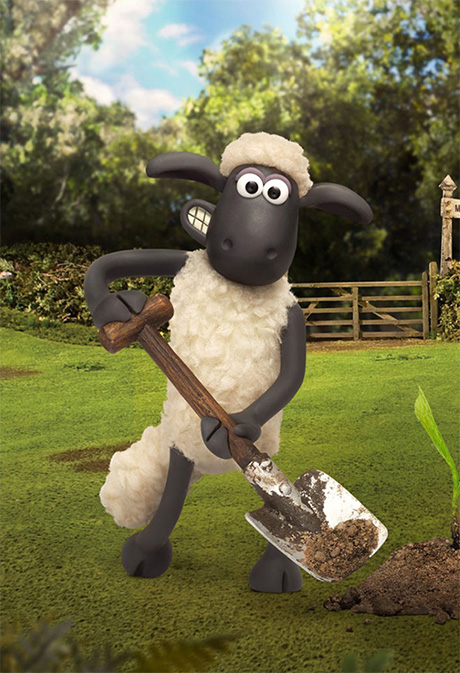 Shaun the Sheep
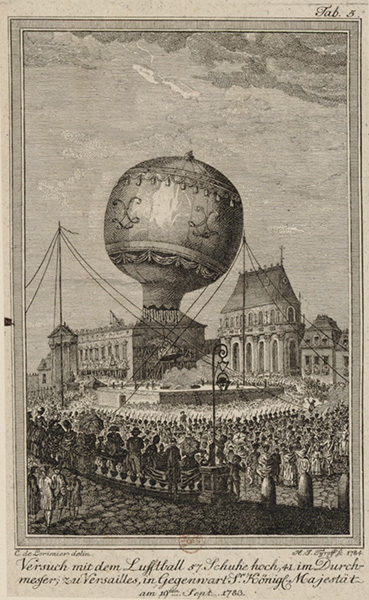 Montauciel – The first "flying" mammal
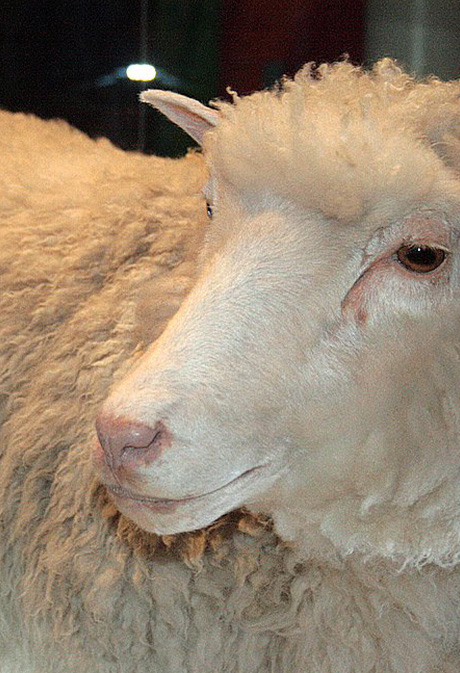 Dolly
Dolly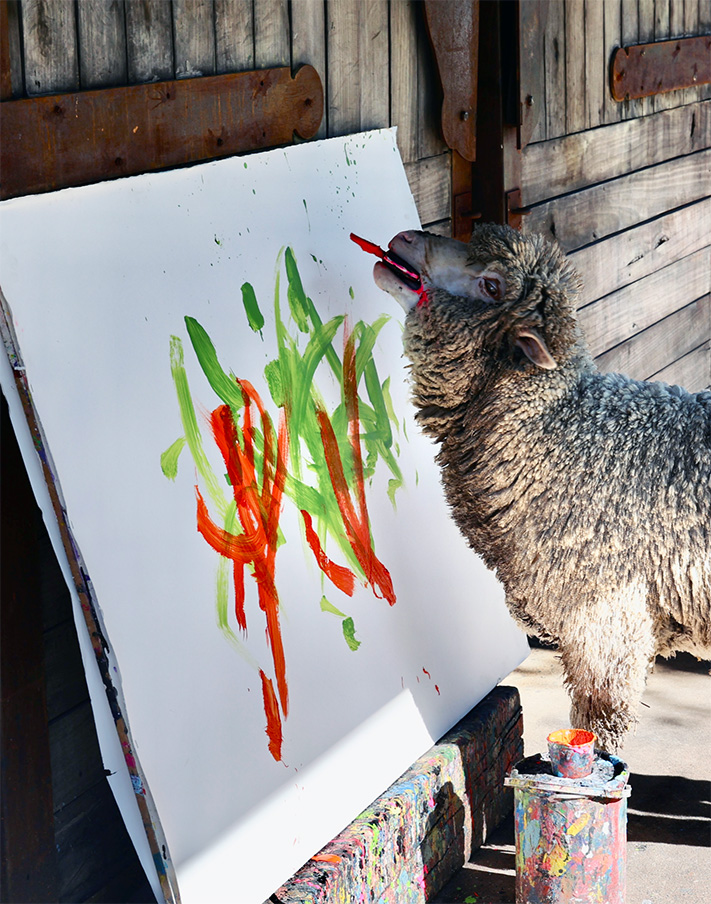 Baansky
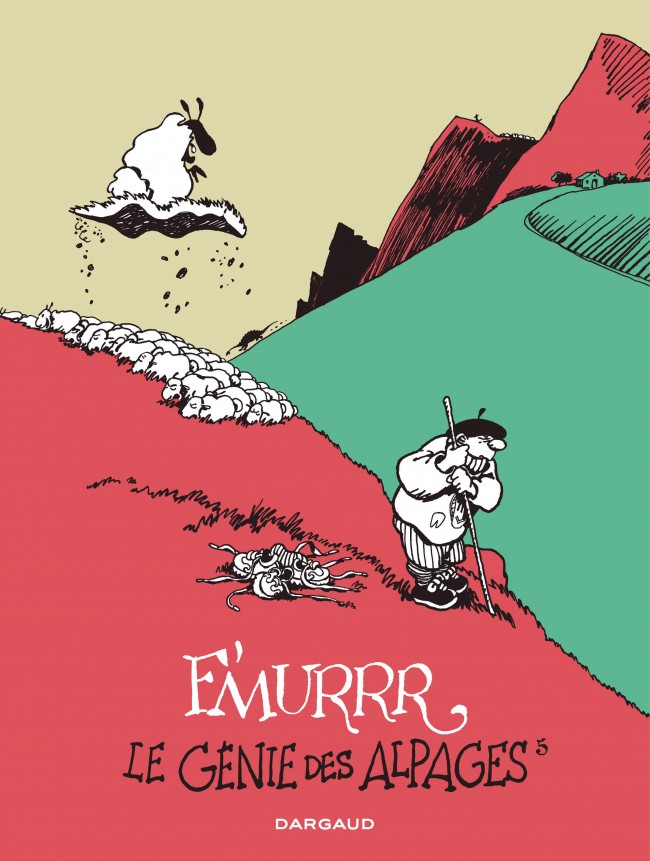 The Genius of the Alpine Pastures